
Homemade dog food offers control over your pet’s diet, but it can be challenging to ensure every meal is nutritionally complete. Adding a quality vitamin supplement helps fill any gaps, supporting your dog’s health and vitality. The right supplement can make homemade feeding both simple and balanced, no matter your dog’s age or dietary needs.


Top 5 Dog Vitamins For Homemade Food
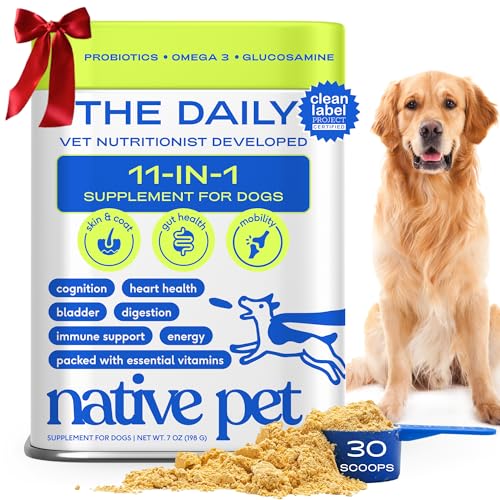
We researched and compared the top products in the Dog Vitamins For Homemade Food category to provide you with these recommendations.1. Native Pet 11-in-1 Vitamin Powder
This powder supplement feels light and mixes easily into homemade meals, making it practical for daily use. It's designed to support multiple aspects of canine health, from mobility and digestion to skin, coat, and immune function. The formula uses recognizable ingredients like goat milk and pumpkin, and is suitable for dogs of all ages.
What We Like:
- Covers a wide range of wellness needs
- Powder form allows for flexible dosing
- Free from artificial flavors and fillers
- Developed with veterinary expertise
- Appealing taste for picky eaters
What Could Be Improved:
- May require careful measuring for small dogs
- Some dogs may need time to adjust to new flavors
2. Wholistic Pet Organics Canine Complete Multivitamin Powder
This supplement features a fine powder that blends easily into homemade or commercial meals, making daily use straightforward. The formula includes organic ingredients, probiotics, and fish-derived collagen for skin and coat support. It's suitable for dogs of all sizes and life stages, and is often chosen for pets with sensitive stomachs or those on natural diets.
What We Like:
- Organic ingredient blend
- Includes probiotics for digestion
- Supports skin and coat health
- Simple to mix with any meal
- Made in the USA with quality standards
What Could Be Improved:
- Distinct aroma may not appeal to all dogs
- Scoop size may need adjusting for small breeds
3. TTLXBL 24-in-1 Dog Multivitamin Chewables

These soft chews have a gentle texture, making them easy for most dogs to eat, especially seniors or those with dental challenges. They’re commonly used in daily routines to support joints, skin, digestion, and cognitive health. The broad nutrient blend aims to address multiple wellness areas in one supplement.
What We Like:
- Omega-3s included for coat care
- Joint-supporting blend
- Probiotics for digestion
- Cognitive health focus
- Soft, easy-to-chew texture
What Could Be Improved:
- High ingredient count may not suit all dogs
- Sensitive stomachs may need gradual introduction
4. Zesty Paws Dog Multivitamin Chewables

These soft chews are designed for daily use, offering a blend of nutrients for joints, skin, digestion, and immune health. The chewy texture makes them easy to serve as a treat or mixed with meals, and the formula includes familiar vitamins and probiotics. They're practical for pet owners seeking a simple, multifunctional supplement.
What We Like:
- Multifunctional formula
- Probiotics for gut support
- Joint and skin-supporting ingredients
- Easy-to-serve chew format
What Could Be Improved:
- May not suit dogs with sensitivities
- Some may prefer powdered supplements
5. ZEBORA Dog Multivitamin Powder
This powder has a fine texture that mixes smoothly into both wet and dry food, making it easy to use with homemade or commercial diets. The mild taste is generally well-accepted by most dogs, and the formula is suitable for all ages and breeds. It covers a wide range of nutritional bases, including vitamins, minerals, probiotics, and joint-supporting ingredients for everyday wellness.
What We Like:
- Wide range of nutrients in one scoop
- Includes probiotics and digestive enzymes
- Joint and bone support ingredients
- Designed for all breeds and ages
What Could Be Improved:
- May require gradual introduction for sensitive dogs
- Some pets may notice the flavor change in food
How to Choose Dog Vitamins for Homemade Food
- Homemade diets can lack certain nutrients
- Supplements help balance meals
- Choose format: powder or chewable
- Consider your dog's age and health needs
- Consult your veterinarian before changes
Homemade feeding gives control but may leave gaps in vitamins or minerals. The right supplement bridges these gaps and supports long-term health.
Key Nutrients to Look For
- Calcium and phosphorus for bone health
- Essential vitamins (A, D, E, B-complex)
- Omega fatty acids for skin and coat
- Probiotics and digestive enzymes
- Joint support ingredients (glucosamine, chondroitin)
Check ingredient lists for these essentials, especially if your recipes rotate or exclude certain food groups.
Powder vs. Chewable Formats
- Powders mix easily with wet or cooked food
- Chewables can double as treats
- Powders allow flexible dosing for any size dog
- Chews may be more appealing for picky eaters
Choose a format that fits your dog's preferences and your meal prep routine. Powders are often best for custom portioning, while chews are convenient for on-the-go or as a reward.
Special Considerations for Puppies and Seniors
- Puppies need extra support for growth
- Seniors may benefit from joint and cognitive ingredients
- Adjust dosage based on life stage
- Check for formulas labeled for all ages if you have a multi-dog household
Younger and older dogs have different needs. Look for supplements that match your dog's current stage for best results.
Ingredient Quality and Sensitivities
- Look for recognizable, high-quality ingredients
- Avoid artificial flavors, colors, or fillers
- Consider organic or natural options for sensitive dogs
- Introduce new supplements gradually to monitor reactions
Ingredient transparency helps avoid unwanted additives. Gradual introduction reduces the risk of digestive upset.
Veterinary Guidance
- Always discuss dietary changes with your vet
- Bring supplement ingredient lists to appointments
- Ask about lab testing or certifications
- Monitor your dog's health and adjust as needed
Veterinary input ensures your supplement choice fits your dog's unique health profile, especially if they have medical conditions or allergies.
FAQ For Dog Vitamins For Homemade Food
1. Why do dogs fed homemade food need vitamin supplements?
2. Is powder or chewable better for adding vitamins to homemade dog food?
3. How do I know which vitamins my dog needs with a homemade diet?
4. Can I use human vitamins for my dog’s homemade food?
5. How should I introduce a new vitamin supplement to my dog's meals?

Peter Armani
Related Posts
- Top 5 Large Dog Flea Treatments: Best Picks
- 5 Best Dog Wound Treatments: Buyer’s Guide
- Top 5 Allergy Dog Chews For Sensitive Dogs
- 5 Best High-value Dog Treats: Buyer’s Guide
- Top 5 Dog Calming Chews: Expert Buying Guide
- Top 5 Dog Treat Bags For Training & Walks: Best Picks
- Top 5 Chew Proof Dog Harnesses
- 5 Best Chew Proof Dog Blankets
- Top 5 Long Lasting Dog Bones
- Best 5 Toys For Aggressive Chewers You Can Buy
- Top 5 Trader Joe’s Dog Treats: Expert Buying Guide
- Top 5 Cat Camera Treat Dispensers: Best Picks
- Top 5 Flea Treatment For Cat: Expert Buying Guide
- Best 5 Dog Chews You Can Buy
- Top 5 Dog Flea And Tick Treatments: Best Picks
- Top 5 Dog Bones For Puppies: Expert Buying Guide
- Top 5 Cbd Cat Treats
- 5 Best Dog Treats For French Bulldogs
- 5 Best Dog Chew Deterrents: Buyer’s Guide
- Top 5 Topical Dog Flea Treatments: Expert Buying Guide