
Dogs with food allergies often require special diets to help manage symptoms like itching, digestive upset, or skin irritation. Choosing the right food can make a significant difference in your dog’s comfort and overall health. This guide compares several formulas designed for sensitive stomachs and allergy-prone dogs, focusing on ingredients, digestibility, and everyday practicality.


Top 5 Dog Food For Dogs With Food Allergies
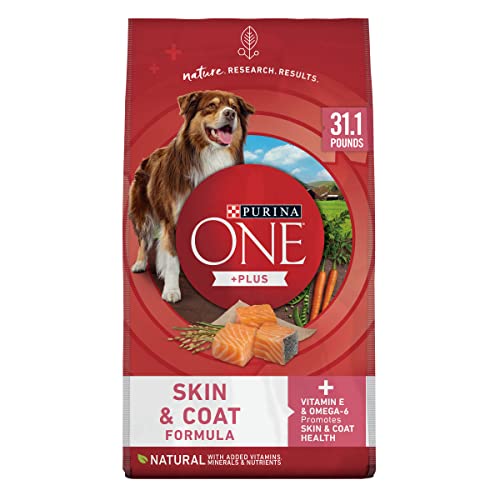
We researched and compared the top products in the Dog Food For Dogs With Food Allergies category to provide you with these recommendations.1. Purina ONE Sensitive Stomach +Plus Skin & Coat Formula
This dry food offers a crunchy texture that's easy for most dogs to chew and is designed for daily feeding. It is formulated for dogs with sensitive stomachs and skin, focusing on straightforward nutrition and coat support. The blend is practical for owners seeking a simple, gentle diet for sensitive dogs.
What We Like:
- Real salmon as main ingredient
- Supports skin and coat health
- No artificial colors or flavors
- Contains antioxidants for immune support
- Crunchy bites for dental benefit
What Could Be Improved:
- May not suit dogs with fish allergies
- Limited protein variety
2. Nature's Recipe Grain Free Salmon, Sweet Potato & Pumpkin
This dry food features a firm but easy-to-chew kibble and uses salmon as its main protein source. With sweet potato and pumpkin added for fiber, it's a practical option for dogs needing a grain-free diet. Many owners choose it to avoid common fillers or grains in their dog's meals.
What We Like:
- Grain-free formula
- Salmon as first ingredient
- No poultry by-products
- Includes fiber for digestion
- No corn, wheat, or soy
What Could Be Improved:
- Only available in smaller bag sizes
- Not ideal for dogs needing poultry protein
3. Hill's Science Diet Sensitive Stomach & Skin, Adult 1-6
This dry kibble feels moderately firm and is sized for easy chewing, making it convenient for daily feeding. It's designed for adult dogs with sensitive stomachs and skin, aiming to support digestive health and maintain a balanced gut. Many owners find it practical for dogs prone to mild stomach upsets or itchy skin.
What We Like:
- Prebiotic fiber for gut health
- Supports healthy skin and coat
- Highly digestible ingredients
- Recommended by veterinarians
What Could Be Improved:
- Limited to adult dogs
- Some dogs may prefer different kibble size
4. Blue Buffalo True Solutions Skin & Coat Care, Salmon

This salmon-based dry food offers a hearty kibble that's easy to portion for daily feeding. Developed with input from veterinarians and nutritionists, it avoids common fillers and is intended for dogs with sensitivities. The formula focuses on supporting skin and coat health.
What We Like:
- Omega 3 & 6 fatty acids
- No chicken by-products
- No corn, wheat, or soy
- Made with natural ingredients
What Could Be Improved:
- Only available in certain bag sizes
- Salmon flavor may not appeal to all dogs
5. Purina Pro Plan Sensitive Skin and Stomach Salmon & Rice

This dry food features a blend of salmon and rice in a firm, manageable kibble. It's designed for adult dogs with sensitive skin or stomachs and fits easily into a daily feeding routine. The formula includes live probiotics, aiming to support digestive health and overall wellness.
What We Like:
- Contains live probiotics
- Easily digestible oatmeal
- High protein content
- Sunflower oil for skin health
What Could Be Improved:
- May not suit dogs with grain sensitivities
- Limited to adult dogs
How to Choose Dog Food for Dogs With Food Allergies
Selecting the right dog food for a pet with food allergies requires careful attention to ingredients, formulation, and your dog's unique sensitivities. The goal is to minimize exposure to common allergens while ensuring balanced nutrition and palatability.
Identifying Food Allergies and Sensitivities
If your dog shows signs such as itching, chronic ear infections, or digestive upset, a food allergy or intolerance could be the cause. Before switching foods, consult your veterinarian to rule out other health issues and discuss an elimination diet if needed. This process helps pinpoint which ingredients may be causing problems.
Ingredient Selection and Limited Diets
For allergic dogs, limited ingredient diets can be helpful. These typically use a single protein source and a short list of carbohydrates to reduce the chance of triggering a reaction. Common allergens in dog food include beef, dairy, chicken, wheat, and soy. If your dog has a known allergy, carefully check the ingredient list for any trace of that item.
Protein and Carbohydrate Sources
Novel proteins such as salmon, duck, or venison are often used in sensitive formulas. These proteins are less likely to have caused previous reactions. Carbohydrate sources like sweet potato or pumpkin can also be gentler on digestion compared to wheat or corn. Some dogs may need a grain-free diet, while others do well with easily digestible grains like rice or oatmeal.
Nutritional Balance and Digestibility
While avoiding allergens is important, so is providing complete and balanced nutrition. Look for foods that include omega fatty acids for skin health, prebiotics or probiotics for gut support, and antioxidants for immune function. Digestibility matters—kibble size, texture, and ingredient quality all play a role in how well your dog can process their food.
Practical Considerations
Consider your dog's age, size, and activity level when choosing a formula. Some foods are tailored for adults, while others are suitable for all life stages. If your dog is picky, flavor and kibble texture may influence acceptance. Bag size and storage needs may also be factors for multi-dog households or those with limited space.
Transitioning to a New Food
When introducing a new food, transition gradually over a week by mixing increasing amounts of the new food with the old. This helps prevent digestive upset and gives you time to monitor for any new reactions. Always keep your veterinarian informed of any dietary changes, especially if your dog has a history of severe allergies.
FAQ For Dog Food For Dogs With Food Allergies
1. What are common symptoms of food allergies in dogs?
2. How do I know which ingredient my dog is allergic to?
3. Is grain-free dog food always better for dogs with allergies?
4. Can puppies have food allergies?
5. How long does it take to see improvement after switching dog food?

Peter Armani
Related Posts
- 5 Best Outdoor Cat Water Fountains: Buyer’s Guide
- 5 Best Stainless Steel Cat Water Fountains: Buyer’s Guide
- Top 5 Buddy Dog Treats: Expert Buying Guide
- Top 5 Dog Bowls For Goldendoodles
- Best 5 Large Dog Water Fountains You Can Buy
- Best 5 Auto Cat Feeders You Can Buy
- 5 Best Rawhide-free Dog Chews: Buyer’s Guide
- Best 5 Slow Dog Feeder Bowls You Can Buy
- 5 Best Dog Bowls For French Bulldogs: Buyer’s Guide
- 5 Best Beef Jerky For Dogs
- 5 Best Dog Toilets: Buyer’s Guide
- Top 5 Cat Drinking Fountains: Expert Buying Guide
- 5 Best Filtered Dog Water Bowls
- Best 5 Cat Bowls You Can Buy
- Best 5 Chewy Dog Foods You Can Buy
- Top 5 Cbd Oils For Dog Itching: Best Picks
- Top 5 Stainless Steel Dog Bowls Made In Usa: Expert Buying Guide
- Best 5 Raccoon Proof Cat Feeders You Can Buy
- Top 5 Slow Feeder Dog Bowls For Large Dogs
- 5 Best Toddler Proof Dog Water Bowls: Buyer’s Guide