
Dog treats come in a wide range of textures, flavors, and ingredient profiles, making it easy to find options that fit your dog’s needs. Whether you’re looking for something soft for training, a simple protein snack, or a crunchy reward, the right treat can make a big difference in your dog’s routine. Below, you’ll find a comparison of several popular treat types, each with unique benefits and considerations.

Top 5 Dog Treats
We researched and compared the top products in the Dog Treats category to provide you with these recommendations.1. Milk-Bone Soft & Chewy Dog Treats Beef & Filet Mignon

These treats have a soft, chewy feel that's easy for small dogs or those with dental issues to enjoy. The meaty aroma can tempt even selective eaters, making them practical for training or daily rewards. The large container is convenient for households with multiple dogs.
What We Like:
- Soft texture for easy chewing
- Fortified with vitamins and minerals
- Large quantity per container
- Appealing meaty aroma
What Could Be Improved:
- Contains more ingredients than some natural options
- Not grain-free
2. Chicken Jerky Dog Treats
These treats feature a chewy, slightly dry feel and are made from real chicken breast. The straightforward ingredient list is ideal for dogs with dietary sensitivities or owners who prefer transparency. They're easy to break apart, making them convenient for training or portion control.
What We Like:
- Single protein source
- No artificial additives
- Easy to portion
- High protein, low fat
What Could Be Improved:
- Not a long-lasting chew
- Can be crumbly if handled roughly
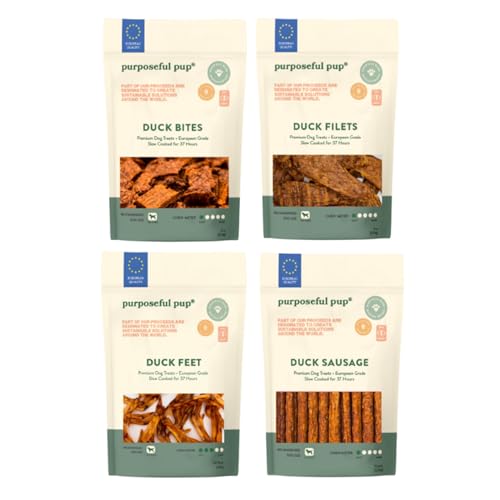
3. Purposeful Pup Quack Attack Dog Treat Bundle – All Natural, Single Ingredient, Grain-Free Chews
This bundle offers a mix of crunchy and soft duck-based treats, providing variety while keeping to a single protein source. The simple ingredient list is appealing for those seeking natural options, and the resealable bag helps maintain freshness. It's practical for multi-dog homes or frequent treat use, and the different shapes and textures can keep dogs engaged.
What We Like:
- Single ingredient (duck only)
- Mix of textures for variety
- Grain-free and no fillers
- Easy to break into smaller pieces
- Convenient resealable packaging
What Could Be Improved:
- Duck flavor may not appeal to all dogs
- Some treats may be firmer than expected
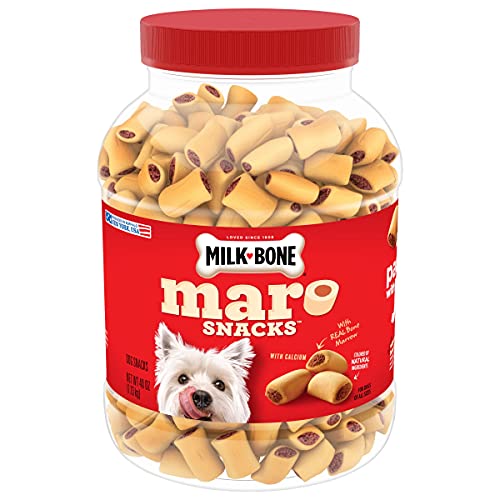
4. Milk-Bone MaroSnacks Small Dog Treats
These treats combine a crunchy shell with a soft, marrow-like center, offering a different texture experience. They’re convenient for multi-dog households and come in a container that suits frequent treat use. The mix of textures can appeal to picky eaters.
What We Like:
- Crunchy outside, soft inside
- Contains real bone marrow
- Good for dogs of different sizes
- Large container for frequent use
What Could Be Improved:
- Contains grains and added colors
- Not ideal for dogs with sensitive teeth
5. Good 'N' Fun Triple Flavor Wings

These wing-shaped treats combine chicken, pork hide, and beef hide for a layered chewing experience. They’re designed for dogs who enjoy working on a treat and may help with dental health by reducing tartar. The fun shape adds engagement, making them a rewarding option for dogs who like to chew.
What We Like:
- Multiple meat flavors
- Satisfies chewing instinct
- Can help with dental health
- Fun, engaging shape
What Could Be Improved:
- May not suit dogs with sensitive digestion
- Requires supervision during chewing
How to Choose Dog Treats
- Consider your dog's age, size, and chewing habits
- Check ingredient lists for dietary needs or sensitivities
- Decide on treat purpose: training, rewarding, or dental health
- Texture and size should match your dog's preferences
- Avoid ingredients your dog can't tolerate
Selecting dog treats is about balancing your dog's health, preferences, and your intended use. Always supervise treat time, especially with new types or chews.
Ingredient Quality and Simplicity
- Look for single-ingredient or limited-ingredient options for sensitive dogs
- Choose treats without artificial colors or preservatives if desired
- Protein source should match your dog's dietary needs
- Grain-free options available for dogs with sensitivities
Ingredient transparency helps avoid unwanted additives and makes it easier to manage allergies or sensitivities. Simpler treats can be easier to digest for some dogs.
Texture and Chew Type
- Soft treats are ideal for training or older dogs
- Crunchy or chewy treats can help with dental health
- Long-lasting chews occupy dogs who enjoy gnawing
- Breakable treats are useful for portion control
Texture affects how a treat is used—soft for quick rewards, crunchy for dental benefits, and chews for longer engagement.
Treat Size and Portioning
- Match treat size to your dog's breed and mouth size
- Small treats are best for training or frequent rewards
- Larger treats can be used as occasional snacks
- Some treats can be broken into smaller pieces
Proper sizing prevents overfeeding and makes training more effective. Adjust portions based on your dog's size and activity level.
Special Dietary Considerations
- Check for grain-free or hypoallergenic formulas if needed
- Avoid common allergens if your dog has sensitivities
- High-protein or low-fat treats can support specific health goals
Dogs with food allergies or special diets may need treats that exclude certain proteins, grains, or additives. Consult your vet for guidance if unsure.
Storage and Freshness
- Resealable packaging helps maintain freshness
- Store treats in a cool, dry place
- Check expiration dates before use
Proper storage keeps treats palatable and safe for your dog. Resealable bags are convenient for travel or training sessions.
FAQ For Dog Treats
1. What types of dog treats are best for training?
2. Are grain-free dog treats necessary for all dogs?
3. How often should I give my dog treats?
4. Can dog treats help with dental health?
5. What should I avoid in dog treat ingredients?

Peter Armani
Related Posts
- Top 5 Affordable Cat Flea Treatments: Best Picks
- Top 5 Grain-free Dog Treats
- Best 5 Dog Salmon Oils You Can Buy
- 5 Best Cordless Cat Water Fountains: Buyer’s Guide
- Top 5 Treat Dispensing Dog Toys: Expert Buying Guide
- Best 5 Cat Fountains You Can Buy
- 5 Best No Spill Dog Water Bowls
- Top 5 Elevated Cat Bowls
- Top 5 Cat Drinking Water Fountains
- Top 5 Microchip Cat Feeders: Expert Buying Guide
- 5 Best Raised Dog Bowls
- Top 5 Dog Oils: Expert Buying Guide
- Best 5 Elevated Dog Bowls You Can Buy
- Top 5 Dog Feeders
- Top 5 Dog Water Fountains
- 5 Best Aggressive Chewer’s Guide
- Top 5 Cat Auto Feeders
- 5 Best Rice Bran Oils
- Top 5 Battery Operated Cat Water Fountains: Expert Buying Guide
- Top 5 Cat Flea Treatments: Expert Buying Guide