
Keeping cats out of your yard can be a challenge, especially if you want a solution that’s safe for pets, children, and your garden. Cat repellents come in different forms, from granular barriers to scented deterrents, each designed to discourage unwanted feline visitors without harsh chemicals. This guide compares several practical options and offers tips on choosing the best approach for your outdoor space.

Top 5 Cat Repellents For Yards
We researched and compared the top products in the Cat Repellents For Yards category to provide you with these recommendations.1. Nature's MACE Granular Cat Repellent for Gardens
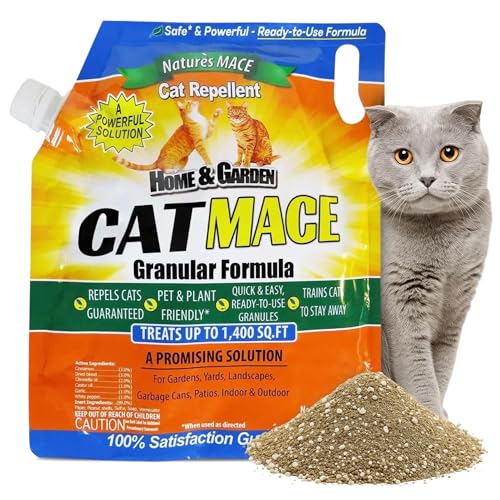
This granular repellent has a gritty, sand-like texture that’s easy to sprinkle in gardens, driveways, or around patios. It’s made from plant-based ingredients and is intended to create a scent barrier that helps discourage cats from entering treated spaces. The formula is weather-resistant, making it suitable for use throughout different seasons.
What We Like:
- Made from plant-based ingredients
- Safe for use around pets and kids
- Covers large outdoor areas
- Stays effective in various weather
- Supports long-term behavior change
What Could Be Improved:
- Needs regular reapplication
- Scent may be noticeable to some
- Not an immediate solution
2. Outdoor Repellent Granules for Lawns and Beds
These coarse granules blend easily into lawns or flowerbeds, making them suitable for covering broad outdoor spaces. The formula uses essential oils and is designed for those seeking a plant-based solution without strong chemical odors. Application is straightforward, and the granules are practical for regular yard maintenance.
What We Like:
- Plant-based, biodegradable ingredients
- Simple to apply over wide spaces
- Safe for pets and people (as directed)
- Can be part of pet training routines
- Gentle on most plants
What Could Be Improved:
- May need frequent reapplication after rain
- Scent can be noticeable to some
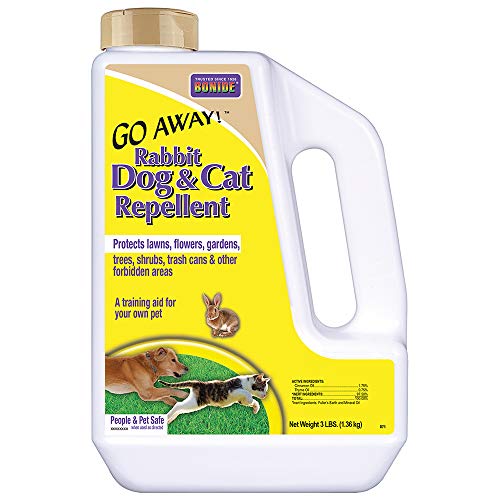
3. Bonide Rabbit, Dog, & Cat Repellent Granules
These granules have a gritty texture and are easy to sprinkle in targeted spots like garden beds or walkways. The plant-based formula is generally safe for most plants and the compact packaging is convenient for smaller areas or limited storage. It's a straightforward option for addressing specific problem zones.
What We Like:
- Convenient size for targeted areas
- Plant-based formula
- Safe around most plants
- Easy to store and handle
What Could Be Improved:
- Less coverage per package
- Needs regular reapplication
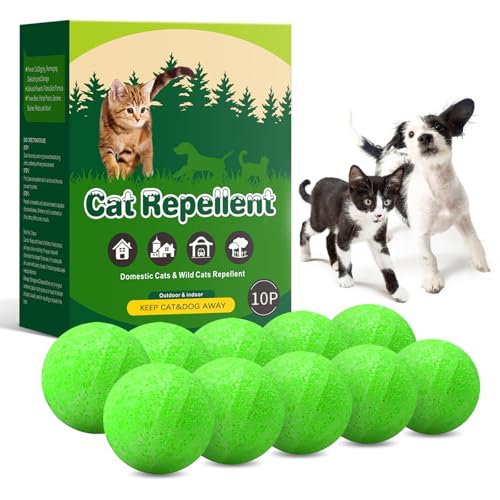
4. Natural Peppermint Oil Cat Deterrent Balls
These deterrent balls have a soft, lightweight feel and are infused with natural oils like peppermint, camphor, and lemongrass. They’re typically hung or placed in mesh bags around gardens, porches, or indoor areas to discourage cats from lingering or marking. The formula is designed for low-maintenance use and is suitable for households seeking a gentle, plant-based approach.
What We Like:
- Uses natural essential oils
- Can be hung or placed discreetly
- Suitable for both indoor and outdoor use
- Scent lasts through various weather conditions
- Includes mesh bags for easy placement
What Could Be Improved:
- Scent may fade in high-traffic areas
- Initial setup may require patience for best results
5. Cat Deterrent Outdoor & Indoor Essential Oils Balls

These essential oil balls have a soft texture and are individually packaged for freshness. They can be placed in mesh bags and distributed around outdoor or indoor spaces to discourage cats from entering, digging, or marking. The formula relies on a blend of plant-based oils, offering a gentle, non-toxic approach for families and gardeners who prefer a natural solution.
What We Like:
- Made with a blend of natural oils
- Suitable for use in various locations
- Individually sealed for storage
- Includes mesh bags for easy placement
- Designed for long-lasting scent
What Could Be Improved:
- Scent longevity may vary outdoors
- May need more frequent replacement in wet weather
How to Choose Cat Repellents for Yards
Granule vs. Scented Options
- Granules create a physical scent barrier on soil or mulch
- Scented balls disperse odor in the air, ideal for hanging or discrete placement
- Granules are better for ground-level coverage
- Scented balls can be used in both indoor and outdoor settings
- Consider your yard's layout and problem areas
Granules work well for treating garden beds and borders, while scented balls are useful for patios, porches, or spots where hanging is possible.
Safety for Pets, Children, and Plants
- Look for plant-based or essential oil formulas
- Avoid harsh chemicals if you have kids or pets
- Check product labels for safe usage around edible plants
- Choose biodegradable options for eco-friendly gardening
Natural repellents are generally safer for families and gardens, but always follow usage instructions for best results.
Coverage Area and Application
- Larger yards may need bulk granules for full coverage
- Small spaces or spot treatments work well with compact containers or balls
- Some products require reapplication after rain or watering
- Dispenser caps or mesh bags can make placement easier
Assess the size of your yard and target zones to estimate how much repellent you’ll need and how often you’ll need to reapply.
Scent Strength and Longevity
- Stronger scents may be more effective but noticeable to people
- Scented balls often last longer in dry, sheltered areas
- Rain and wind can reduce the effectiveness of many repellents
- Regular checks and reapplication may be necessary
Balance scent strength with comfort—choose a product that works for your needs without overwhelming your outdoor space.
Maintenance and Reapplication
- Granules and balls both need periodic replacement
- Weather and yard activity affect how long repellents last
- Simple application methods save time for busy households
Plan for ongoing maintenance, especially during wet seasons or if you have high-traffic areas in your yard.
FAQ For Cat Repellents For Yards
1. How do cat repellents for yards work?
2. Are outdoor cat repellents safe for children and pets?
3. How often do I need to reapply cat repellent in my yard?
4. Can I use cat repellents on edible plants or vegetable gardens?
5. What is the best way to apply cat repellent in a large yard?

Peter Armani
Related Posts
- Best 5 Fish To Have As Pets You Can Buy
- Top 5 Dog Fencing Options: Expert Buying Guide
- Top 0 Anti-wrinkle Creams For Black Skin: Best Picks
- Top 5 Small Dogs For Protection
- Top 5 Dog Melatonin Supplements: Expert Buying Guide
- 5 Best Custom Dog Pillows: Buyer’s Guide
- Top 5 Dog Mom Gifts
- 5 Best Hot Dog Roller Machines: Buyer’s Guide
- Best 5 Presents For Dog Walkers You Can Buy
- 5 Best Kayaks For Dogs: Buyer’s Guide
- 5 Best Non Plastic Laundry Baskets: Buyer’s Guide
- Top 5 Dog For Rv: Expert Buying Guide
- Top 5 Mid-sized Dog Breeds: Expert Buying Guide
- 5 Best Dog Cones After Surgery
- 5 Best Aviary Birds
- Top 5 For Cat Allergies
- Top 5 Supplements To Calm Aggressive Dogs
- Top 5 Jack Russell Harnesses: Best Picks
- Top 5 Products For Dog Allergies: Best Picks
- 5 Best Free Dog Tv Channels: Buyer’s Guide